St Mary’s Church
High Street, Chiddingstone, TN8 7AH
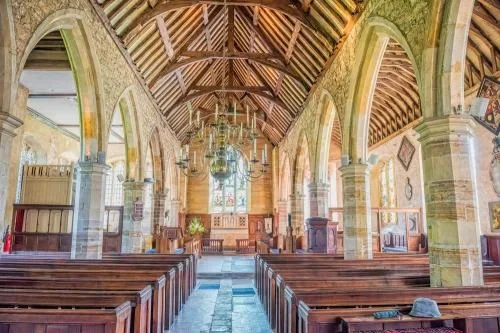
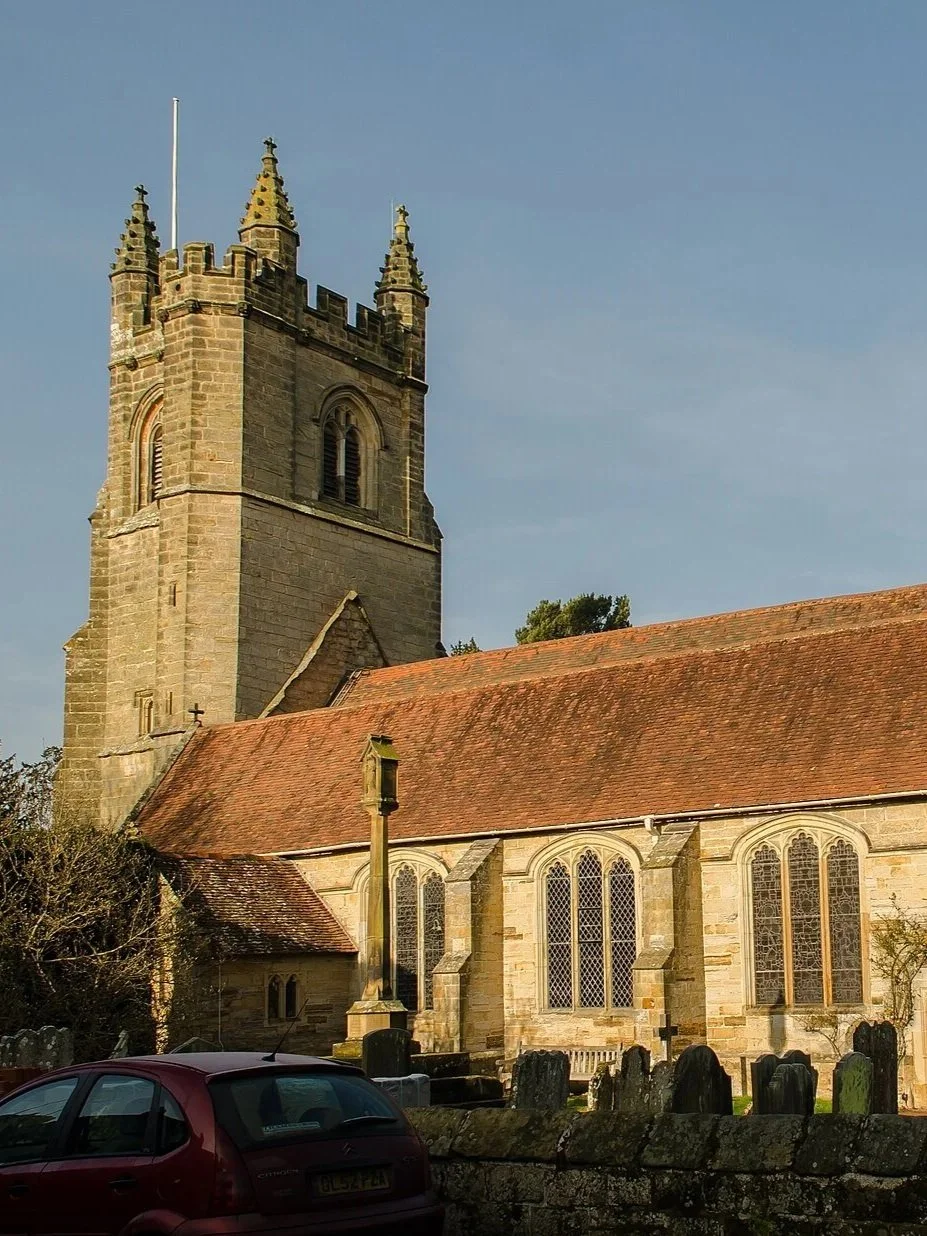
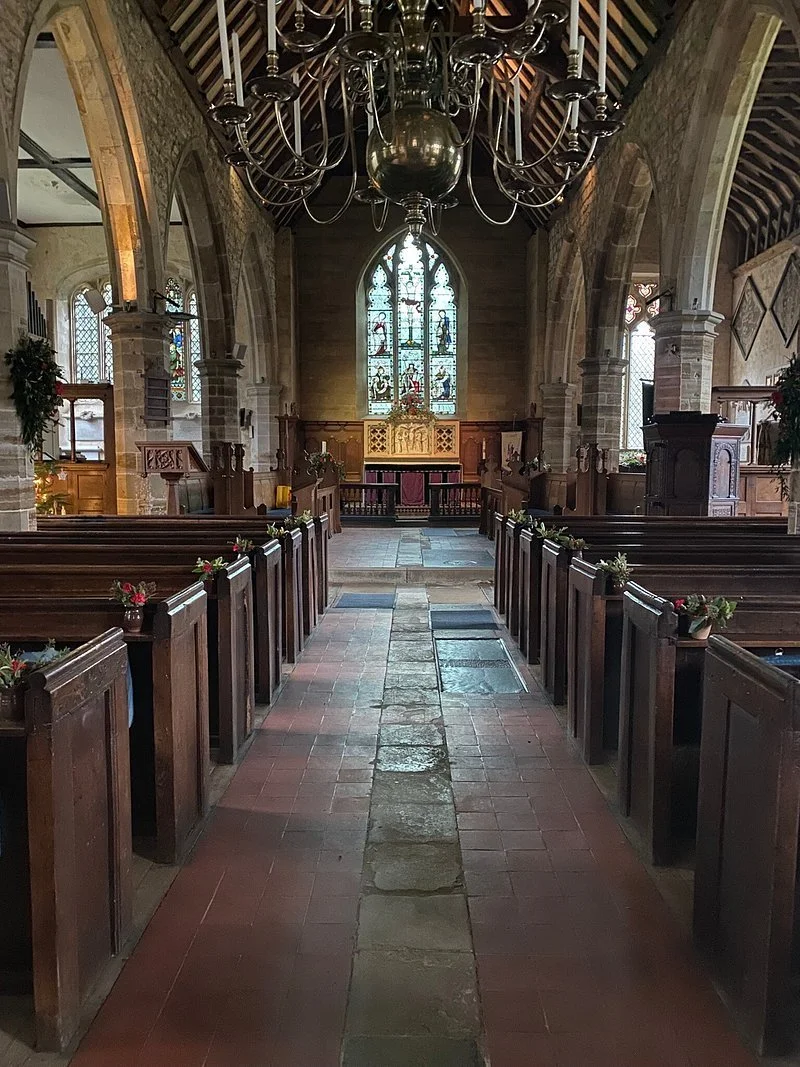
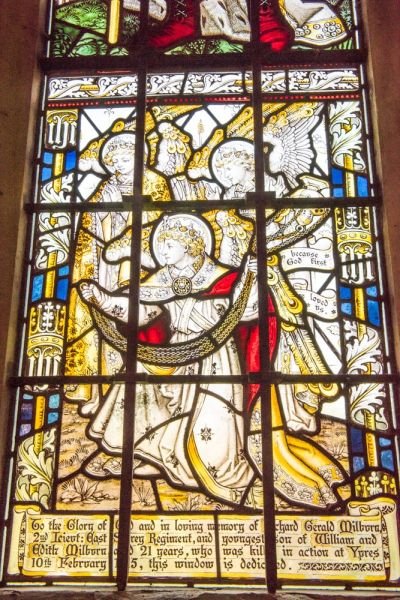
The name, “Chiddingstone” is often thought to be a reference to the unusual stone formation on the edge of the High Street (you can find it down a footpath next to the school) but a more likely etymology comes from the old English naming of the settlement as belonging to the family of Cidda: Cidda’s tun.
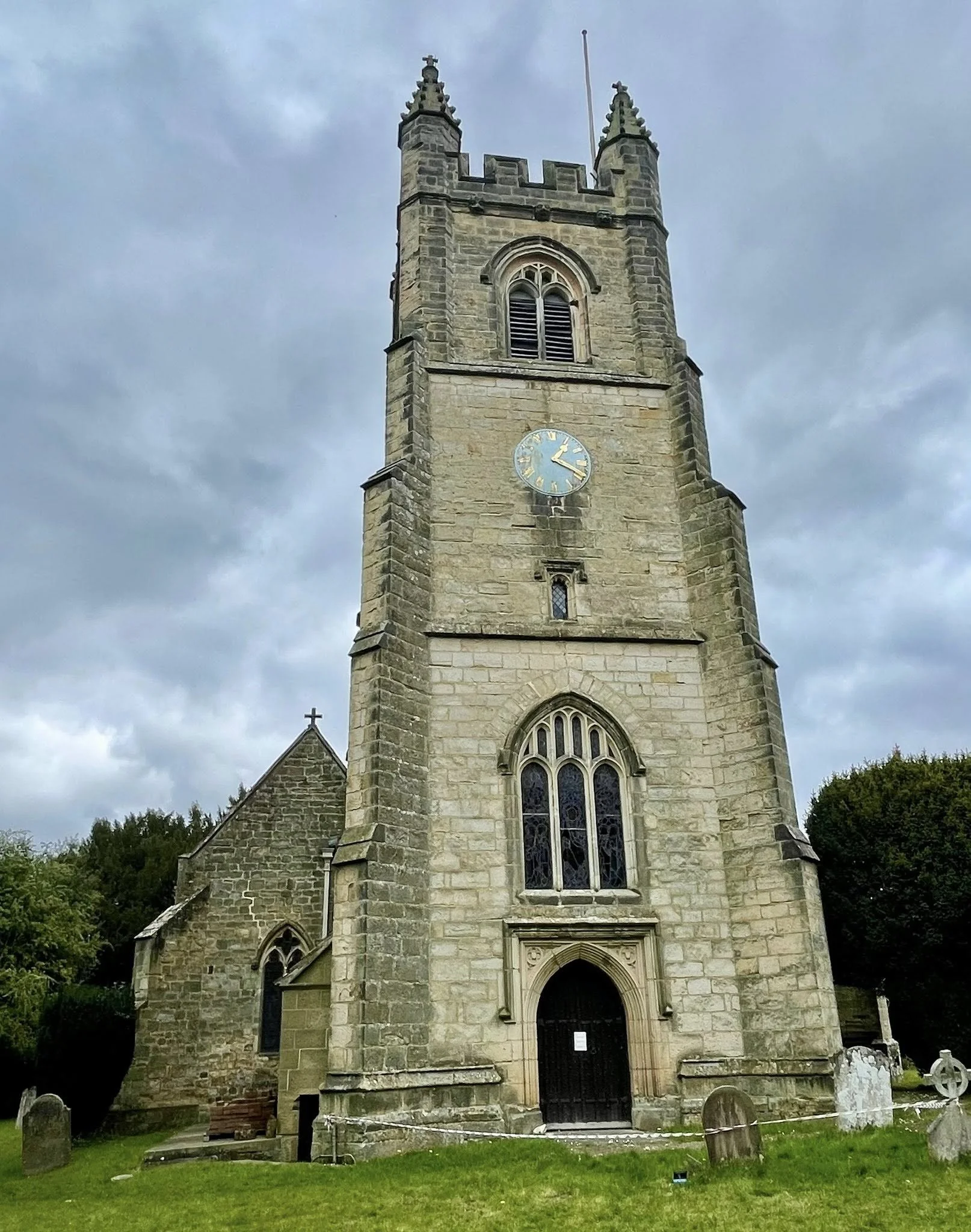
St Mary's, Chiddingstone, might be called the “iron church”. This pretty, late mediaeval church has stood fast during a surprising amount of turbulence over the years. A Saxon foundation, she reached her current form under the patronage of Sir Bartholomew Burghersh (d. 1355) —who also gave his name to the courtyard opposite. Sir Bartholomew acquired much of his wealth, and his baronetcy, by being on the winning side of the coup overthrowing Edward II in the 1320s.
In the 1450s St Mary's would have seen Roger Atwood and William hunt scurry home from the losing side of a different rebellion: Jack Cade's. Their king’s pardon was revoked shortly after, leaving them to hope, one assumes, that their home village was quiet enough to keep them out of the King’s Eye! Hunt’s shop survived, at any rate, though the two rebels’ fate is unknown.
In the following century, the local iron industry learned to forge cast iron, which was invaluable for making cannons. A local family, the Streatfeilds - whose name you'll see all over this church, and who built Chiddingstone Castle - began their rise in fortune on the back of this small industrial revolution, and soon established themselves as one of the principal families in the area.
Then in 1624, when parliament was pushing for war with Spain, lightning hit the church causing a devastating fire. Money was raised from all over the county to repair it, and it seems to have been done broadly like for like, keeping the character of the mediaeval build—perhaps troubled times had caused a touch of nostalgia. Certainly, it is hard at this distance to tell what was replaced and what was recovered.
Civil war followed, with Kent being the scene of one of the last stands in defence of monarchy. We have no record as to whether the parliamentary condemnation of the Kentish Petition was read, as instructed, from the pulpit at St Mary’s.
After the Restoration of the monarchy, we see more significant repair of the building and her furniture, suggesting the intervening years had not been kind to this iron church.